"In art we are once again able to do all things we have forgotten; we are able to walk on water; we speak to the angels who call us; we move, unfettered, among the stars."
Madeleine L'Engle
Book: Walking on Water
. . . .
Classically Untrained
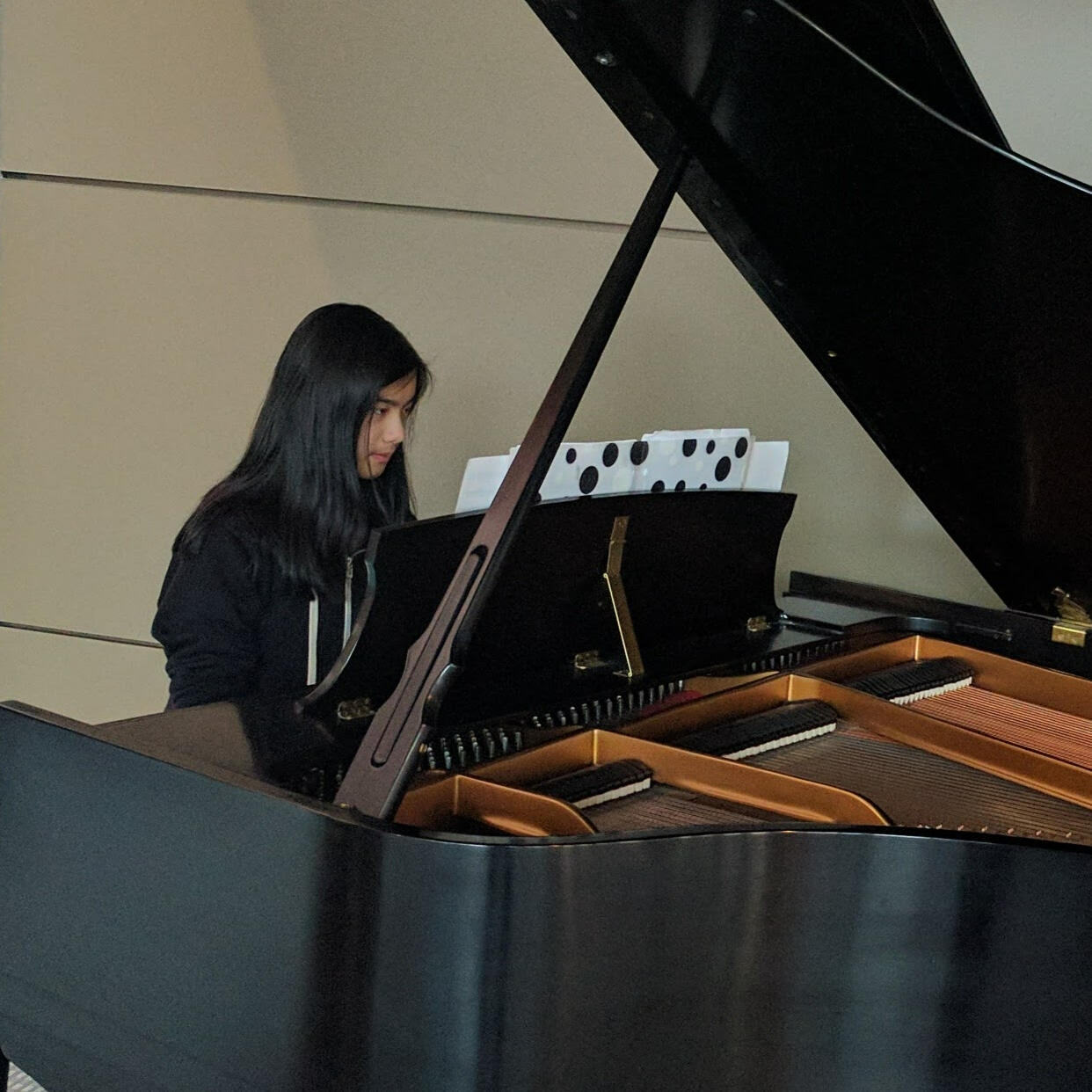
When I was eight, I had the opportunity to take classical piano lessons. However, I seemed classically conditioned to dislike them. I thought I hated the piano, crying at my final lesson and quitting in the driveway. But my short-lived, three years of lessons set a foundation that blessed me forever. Knowing I could read notes, I tried learning any sheet music I set my heart on. I made progress without noticing, just by playing the songs I liked. Finally, I was allowed to “feel” music and play accordingly. I realized I loved the piano as I took any opportunity to play.
. . . .
Retracing My Steps
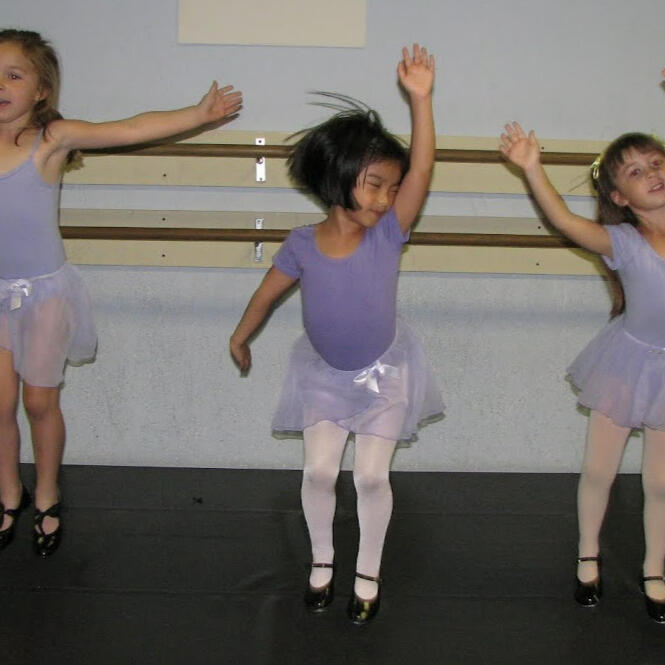
When I was thirteen, I received a note for my first pointe shoe fitting. Though my new shoes were harsh on my feet, my painful attention to detail was the blister that began to show. During a one-on-one evaluation, my instructor told me I was a perfectionist. My technique was perfect, "professional" even, but I "needed more confidence." Where did I have to go to get this confidence? Did I not express myself enough? Being labeled unconfident in addition to "quiet" confirmed the part of myself I disliked the most. There were no instructions on how to fix it.I never thought I was a perfectionist until I quit ballet after ten years. Trying different activities moved my body out of a box; actions like walking across a gym floor required unknown confidence in myself. No longer conscious of my every movement, I appreciated and felt more than just precision in my self-expression.
. . . .
Speaking to Angels
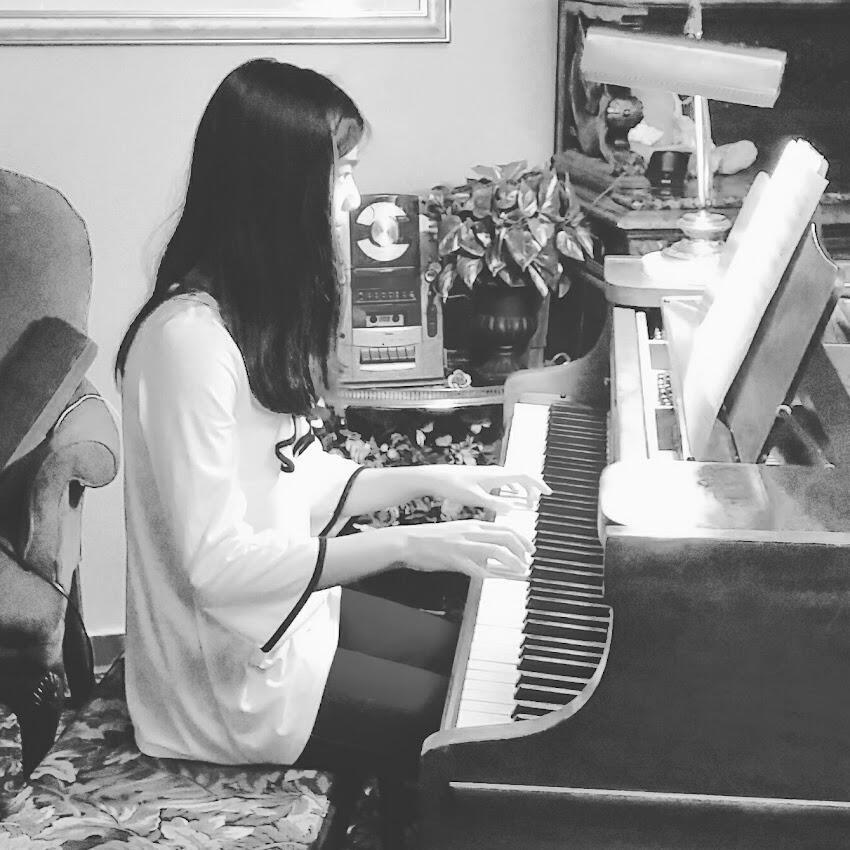
Many artists describe the freedom of art as a return to childhood or a way of connecting with the unseen. Madeleine L’Engle, author of A Wrinkle in Time, would float up the stairs as a child. Now an adult, she no longer experiences this light state of being. Growing up requires thinking; it requires classical training to meet a standard and accurate technique to make every movement count. What L’Engle forgets in adulthood, she expresses through her storytelling. Her characters access lightness by teleporting through space and achieving the so-called impossible. Whether it be early interactions with the divine or freedom of expression, art helps us remember. It connects us to what we have known to be true since childhood.
. . . .
Moving Among the Stars
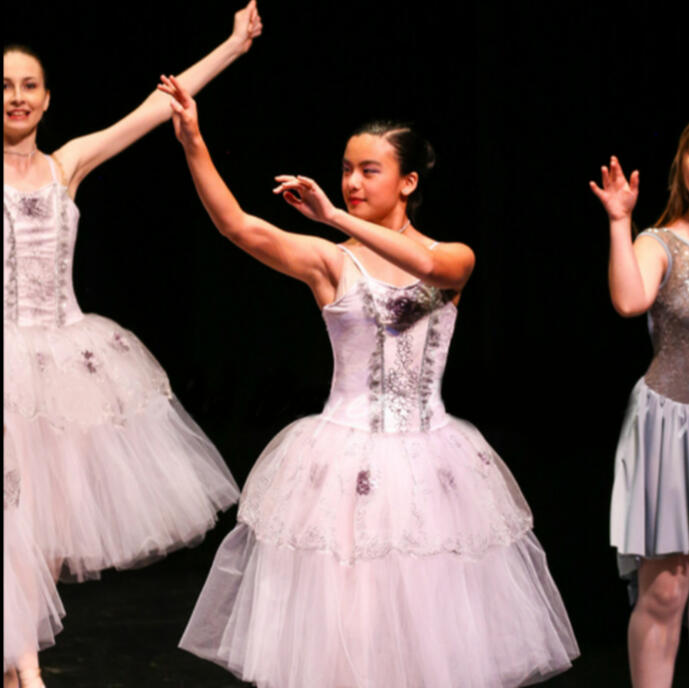
I should have known from the beginning that spontaneity–the unplanned–followed me everywhere, into my hobbies and my preference for navigating life. My need to be boundless, unbroken, and unlimited by rules was evident in how scrutiny obscured my creativity. I expected a certain standard from my creative expression and a predictable outcome for every movement. Letting go led to my best moments of expression. At the gym, I returned to the rowdy games of freeze tag and dodgeball I enjoyed as a child. At the piano, I remembered to welcome my emotions back into art. My imperfect love for dance and music showed me that there is a time for carefulness but also a time to let go of the details. By embracing lightness, I create by remembrance instead of rumination.